
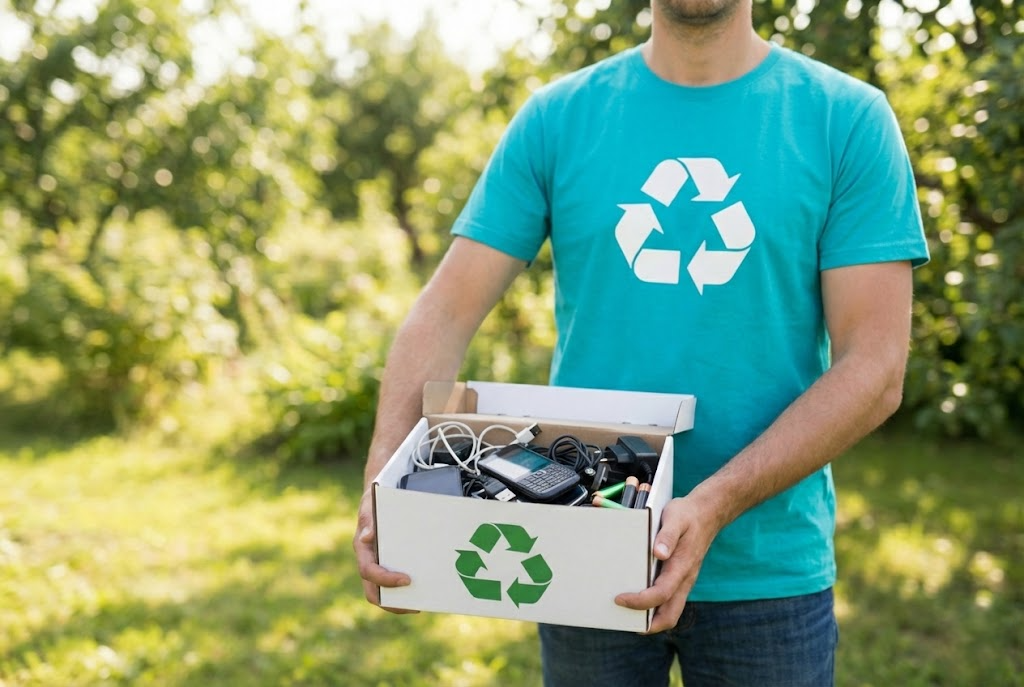
Think about the last time you upgraded your phone. Where did the old one go? If it’s sitting in a drawer, you’re not alone. Across the world, and especially in a fast-moving tech hub like Dubai, old electronics pile up in homes and offices every day. That pile has a name: e-waste.
In this guide, we explain what e-waste is, which items count, and why handling e-waste in Dubai responsibly matters for your health, your business, and the city’s future.
What Is E-Waste?
E-waste (electronic waste) refers to any discarded electrical or electronic device that is broken, outdated, or no longer wanted. If it has a plug, a battery, or a circuit board and you’re done with it, it’s e-waste.
What makes it different from ordinary rubbish is what’s inside. Electronics contain valuable materials like copper, gold, silver, and aluminium, but also hazardous substances such as lead, mercury, and cadmium. Thrown into general waste, these can leak into soil and water. Recycled properly, the valuable materials can be recovered and the toxic ones handled safely.
Common Examples of E-Waste
E-waste is far broader than most people realise. Typical examples include:
• Personal devices: mobile phones, tablets, laptops, smartwatches, headphones
• Home appliances: refrigerators, washing machines, microwaves, air conditioners, fans
• Office equipment: computers, printers, servers, monitors, networking gear, copiers
• Entertainment: TVs, gaming consoles, speakers, cameras, remote controls
• Batteries and accessories: power banks, chargers, cables, lithium-ion and lead-acid batteries
• Lighting: fluorescent tubes and LED bulbs
Dubai’s hot climate means air conditioners and batteries wear out quickly, and the city’s appetite for the latest gadgets means working devices are often replaced early. Both trends add to the volume.
Why E-Waste Matters
- It’s one of the fastest-growing waste streams
According to the UN-backed Global E-waste Monitor, the world produced roughly 62 million tonnes of e-waste in 2022, and only about a fifth of it was documented as properly collected and recycled. The rest was landfilled, burned, or left unaccounted for. - It harms health and the environment
When electronics break down in landfills, heavy metals and chemicals can contaminate soil and groundwater. Burning cables and circuit boards releases toxic fumes. Over time, this affects air quality and the health of nearby communities. - It wastes valuable resources
Phones, laptops, and appliances contain recoverable metals. Recycling them reduces the need for new mining, which saves energy, water, and carbon emissions. - Your data is at risk
Old laptops, phones, and hard drives often hold personal or business information. Tossing them out without secure data destruction is an avoidable security risk, especially for companies handling client records. - It supports Dubai’s sustainability goals
The UAE and Dubai have set ambitious targets around waste reduction, circular economy, and cleaner living. Responsible e-waste recycling in Dubai is a practical way for residents and businesses to contribute.
What Happens to E-Waste When It’s Recycled Properly?
Certified recycling is more than dropping items in a bin. A responsible process usually looks like this:
1. Collection: Devices are picked up or dropped off.
2. Sorting and tracking: Items are categorised and logged.
3. Data destruction: Storage devices are wiped or physically destroyed.
4. Dismantling: Hazardous parts like batteries are removed safely.
5. Material recovery: Metals, plastics, and glass are separated and sent back into manufacturing.
This keeps toxins out of the environment and turns old gadgets into raw material for new products.
How to Handle E-Waste in Dubai the Right Way
Here are simple steps for homes and businesses:
• Don’t bin it. Electronics and batteries should never go into regular household waste.
• Reuse first. If a device still works, donate or sell it.
• Wipe your data. Back up what you need, then factory reset or request certified data destruction.
• Choose a licensed recycler. Ask about authorisation, safe processing methods, and documentation.
• Keep records (for businesses). A recycling certificate helps with compliance and sustainability reporting.
How Earthify Recyclers Helps
At Earthify Recyclers Dubai, we make responsible e-waste disposal straightforward. Whether you’re clearing out a few old phones at home or upgrading an entire office, our team handles collection, secure processing, and environmentally responsible recycling, so nothing ends up where it shouldn’t.
Here’s what you can expect from us:
• Convenient pickup for homes, offices, and large-scale clearances
• Secure handling of devices that contain sensitive data
• Responsible recycling that recovers materials and protects the environment
• Clear communication and documentation for business clients
We believe sustainability should be easy, not complicated. If you’re not sure whether something counts as e-waste, just ask. We’re happy to help.
Final Thoughts
E-waste is not just clutter. It’s a growing environmental, health, and security issue, and the choices we make about old electronics add up. By recycling responsibly, residents and businesses can protect Dubai’s environment and keep valuable materials in use.
Ready to clear out your old devices? Contact Earthify Recyclers today to schedule a pickup and take the first step toward a cleaner Dubai.