
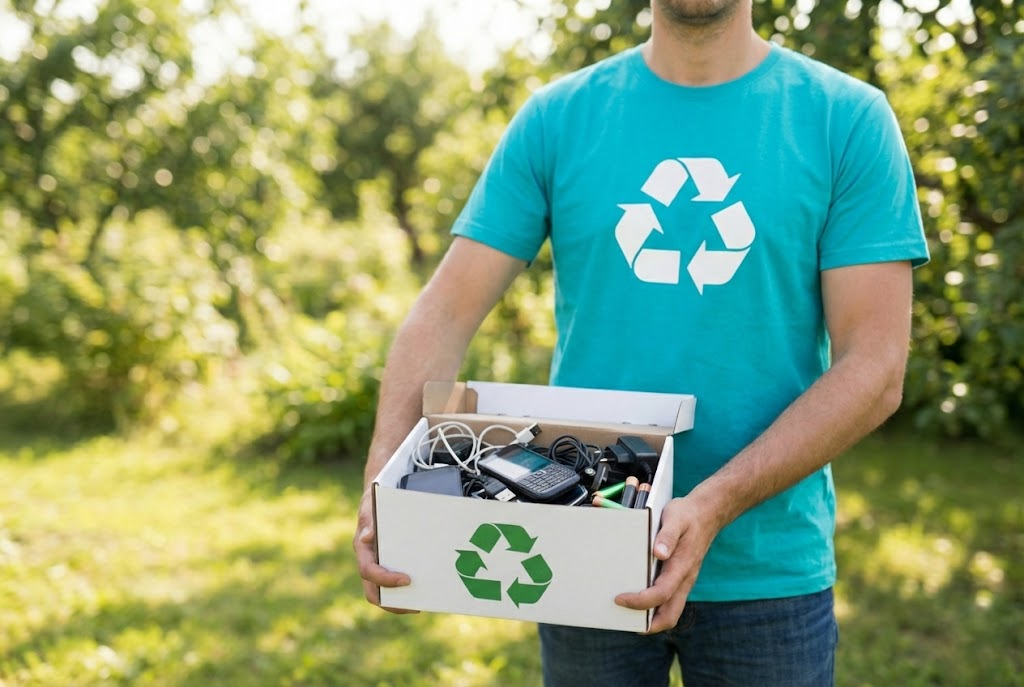
Dubai's growth as a business, technology, and industrial hub has come with a surge in battery use across homes, offices, warehouses, vehicles, data centers, and manufacturing plants. Lithium-ion batteries power laptops and phones; lead-acid batteries keep backup power systems running. Batteries are everywhere. What happens when they die is often an afterthought, but it shouldn't be.
Improper disposal creates really environmental, safety, and operational risks. That's where certified battery disposal services come in. Professional recyclers like Earthify collect, handle, transport, and recycle used batteries through structured waste management processes, so businesses aren't left guessing how to deal with the problem.
Why Proper Disposal Matters
Batteries hold chemical substances and recoverable materials that don't belong in general waste. Damaged, expired, or poorly stored units can leak, overheat, or catch fire.
Lithium-ion batteries are especially risky: damage or mishandling can trigger thermal runaway. Lead-acid batteries carry their own hazards and need controlled handling and recycling too. Tossing either into general waste puts waste workers, businesses, and the environment at unnecessary risk.
What Certified Battery Disposal Services Actually Do
A professional provider typically handles:
• Battery waste collection
• Safe packaging and storage
• Transportation of used batteries
• Sorting and identification
• Recycling and material recovery
• Documentation and disposal records
• Treatment of damaged or end-of-life units
For businesses generating large volumes of battery waste, this turns a messy problem into something organized and traceable.
The Batteries Dubai Businesses Actually Deal With
A. Lithium-ion batteries - found in laptops, phones, tablets, power tools, and other electronics. Their growing use is why lithium battery recycling has become a core piece of e-waste management in the city.
B. Lead-acid batteries - used in vehicles, backup power, and UPS systems. They contain materials worth recovering, not dumping.
C. Nickel-based batteries - nickel-metal hydride and nickel-cadmium, often in older electronics and industrial equipment. These need proper identification before they can be recycled safely.
D. Portable household batteries - AAs, AAAs, button cells. Individually small, but they add up fast across offices, homes, and retail locations.
The Environmental Case
Responsible disposal keeps hazardous material out of the waste stream and lets valuable metals be recovered and reused, depending on the battery chemistry involved. That recovery feeds into the circular economy less reliance on newly mined raw materials, more reuse of what already exists.
For companies with sustainability targets, battery management fits naturally alongside broader e-waste recycling efforts in Dubai.
Fire and Workplace Safety
Battery waste isn't like other recyclables. Damaged lithium-ion cells can ignite if crushed, punctured, or stored in the wrong conditions. Professional disposal services can advise on collection and handling procedures, and businesses can set up dedicated collection points to reduce the chance of accidental damage particularly important for companies managing large volumes of IT assets, warehouse inventory, or returned products.
Why Go with Certified Professionals
• Safe Handling
Trained staff know how to identify battery types and handle them correctly.
• Responsible Recycling
Batteries get routed to the right treatment or recycling process.
• Traceable Records
Documentation businesses may need to show how waste was collected and managed.
• Less Internal Burden
No more asking employees to figure out battery disposal on their own.
• Sustainability Alignment
Battery recycling becomes part of the bigger environmental strategy, not a bolt-on.
Offices, Warehouses, and Everything In Between
Nearly every office generates battery waste laptops, wireless devices, keyboards, backup equipment, security systems. Warehouses and industrial sites generate more, from vehicles and backup power to operational equipment. Retailers and electronics companies often end up with piles of defective, returned, or obsolete batteries.
A professional service turns this into a consistent process, instead of letting batteries pile up in storage rooms or general waste bins.
Earthify's Role
Earthify helps Dubai businesses manage battery and electronic waste through organized recycling and disposal from identifying the waste, through collection and safe handling, to transportation and recycling. Paired with IT asset disposal and broader e-waste management, it gives businesses one streamlined way to handle their waste obligations rather than juggling multiple providers.
How the Process Works
- Identification - batteries are sorted by type, condition, and source.
- Collection - pickup from the business location or designated points.
- Safe handling - packaging that minimizes damage and risk.
- Transportation - moved through proper waste-management channels.
- Sorting - separated by chemistry and recycling requirements.
- Recycling or treatment - recoverable materials processed where possible.
- Documentation - records for internal waste-management tracking.
The Bottom Line
Battery disposal isn't just about clearing clutter; it's about managing hazardous material safely while recovering what can be reused. As Dubai pushes harder on sustainability and resource efficiency, businesses have a real opportunity to tighten up how they handle battery and electronic waste.
Whether you're running an office, a warehouse, a retail operation, or a manufacturing facility, certified battery disposal through providers like Earthify is a practical way to fold responsible waste management into how the business already runs.